Sleep
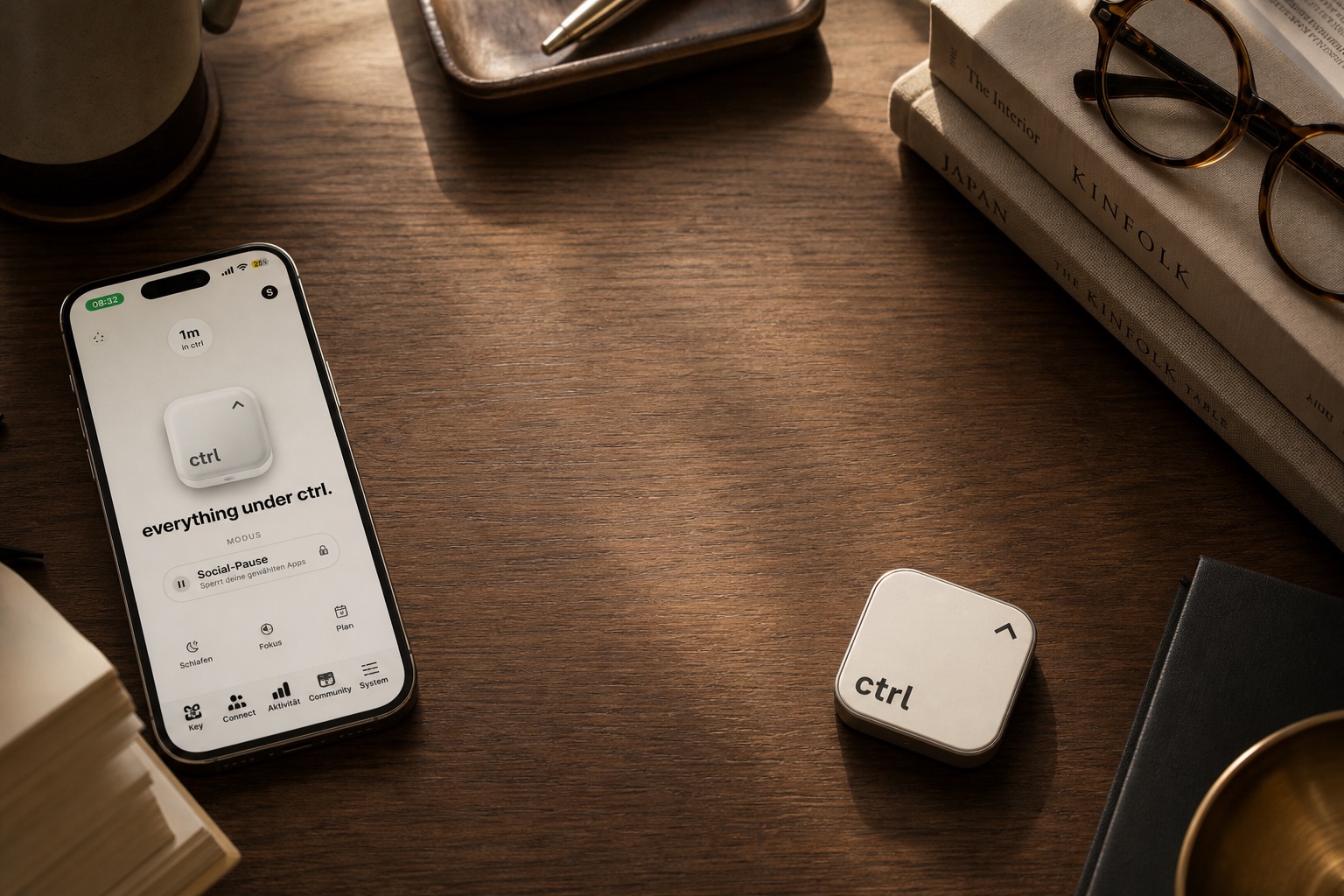
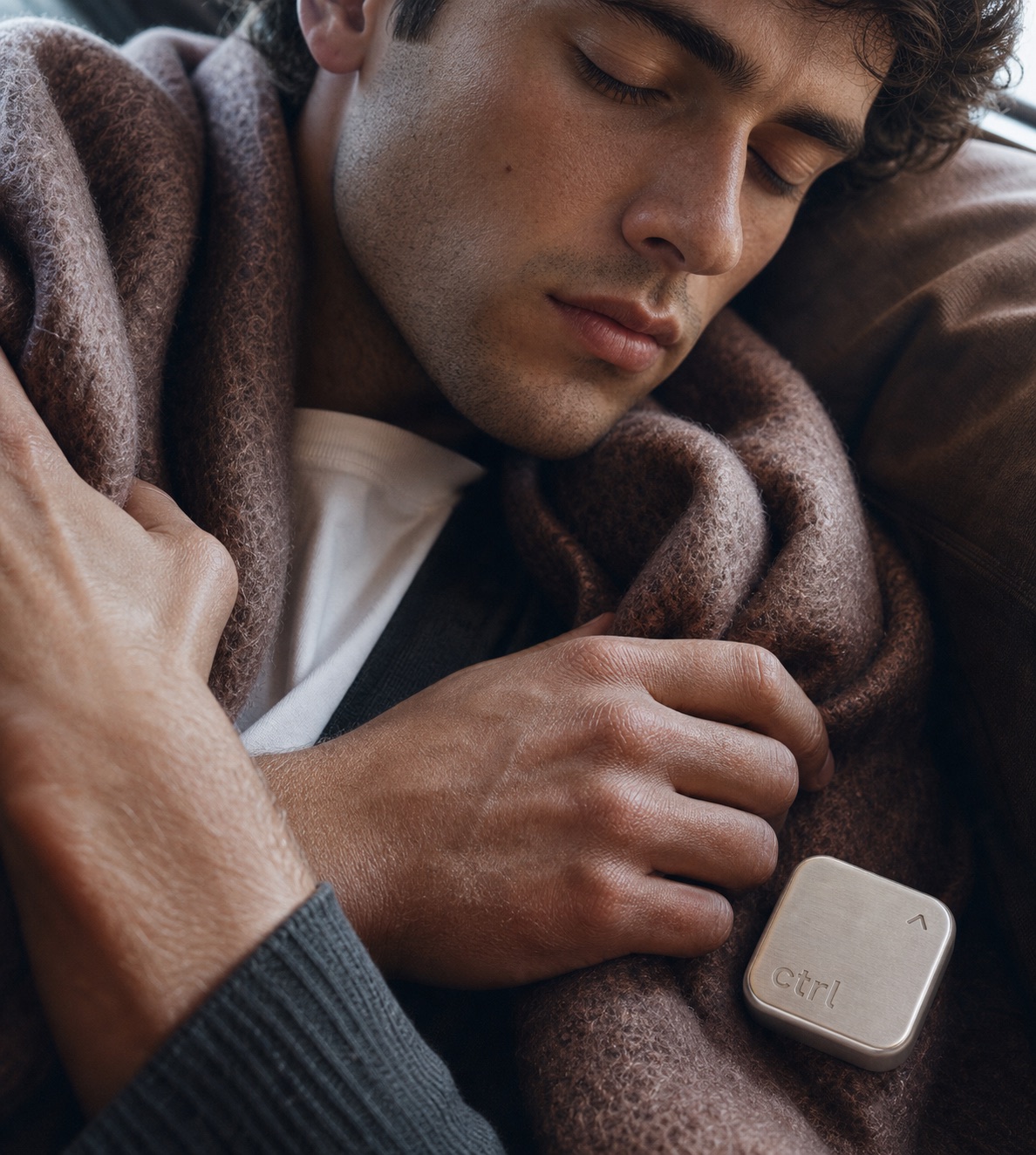
Your sleep window pauses the apps you choose, every night, on its own. And the morning alarm only stops with a scan of your Key. Evenings get quiet. Mornings get you up.
Sleep window
Set a window once. At 22:30 the loud apps pause on their own. No willpower at midnight, no one last scroll. The window opens again in the morning, after the night has done its work.
Calls, messages and the apps you trust stay open. You decide what belongs in your night.
The quiet hours
The morning alarm
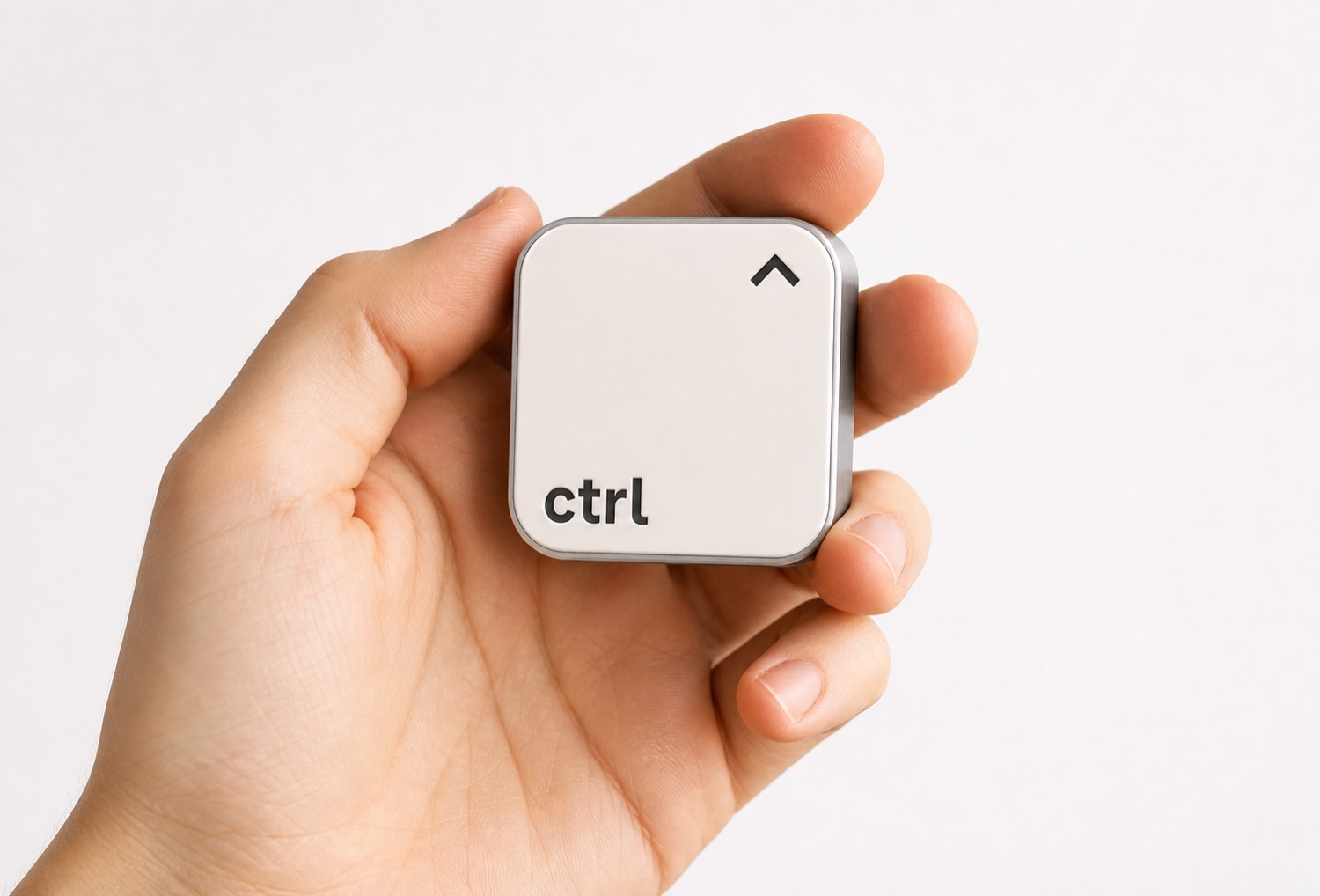
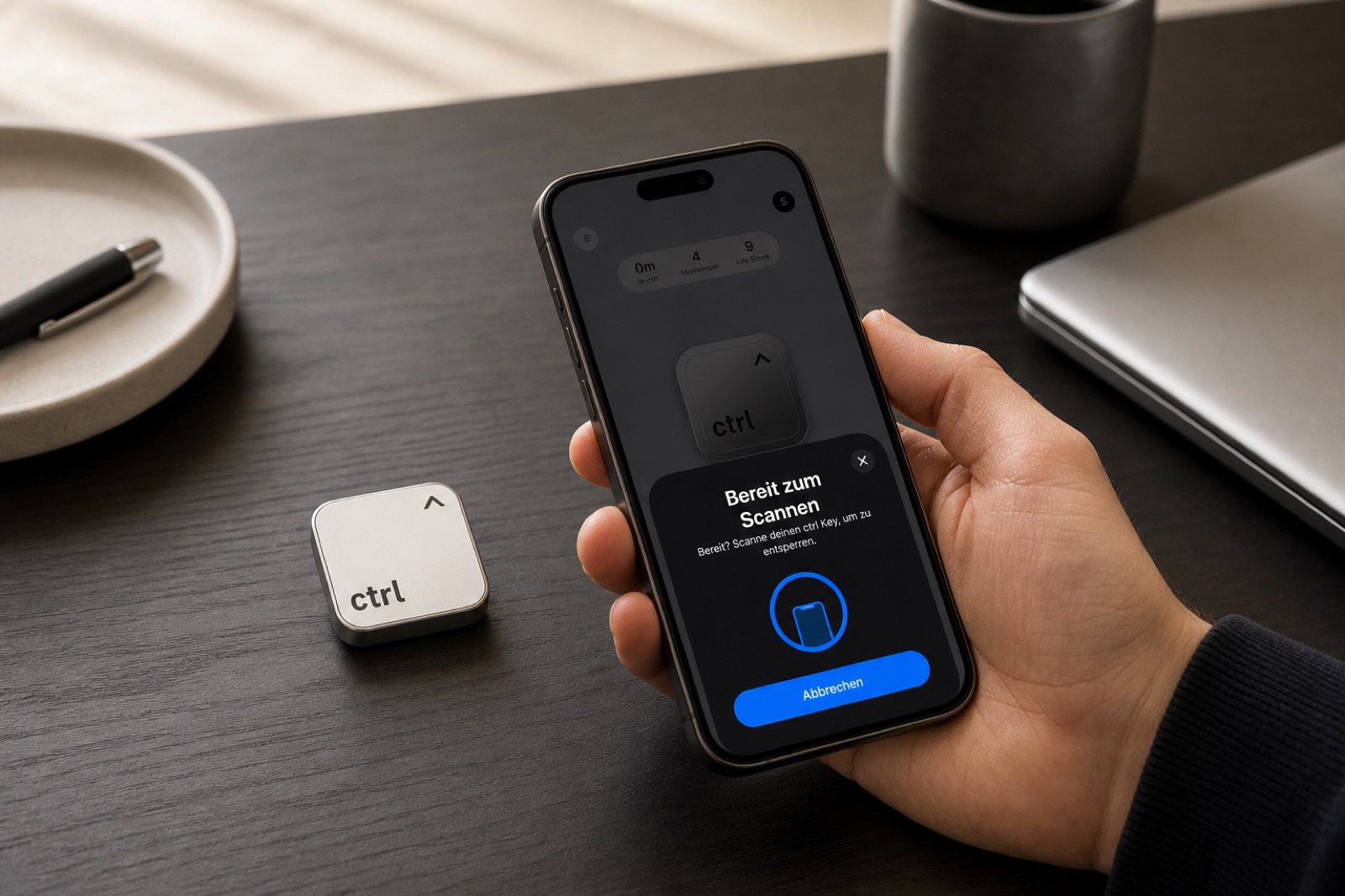
Your alarm only stops with a scan of the Key. Leave it across the room, and getting up is no longer a debate. You are on your feet before the snooze button can say a word.
And because you are already standing, the first minutes of your day are yours. Not your feed’s.
Wind down
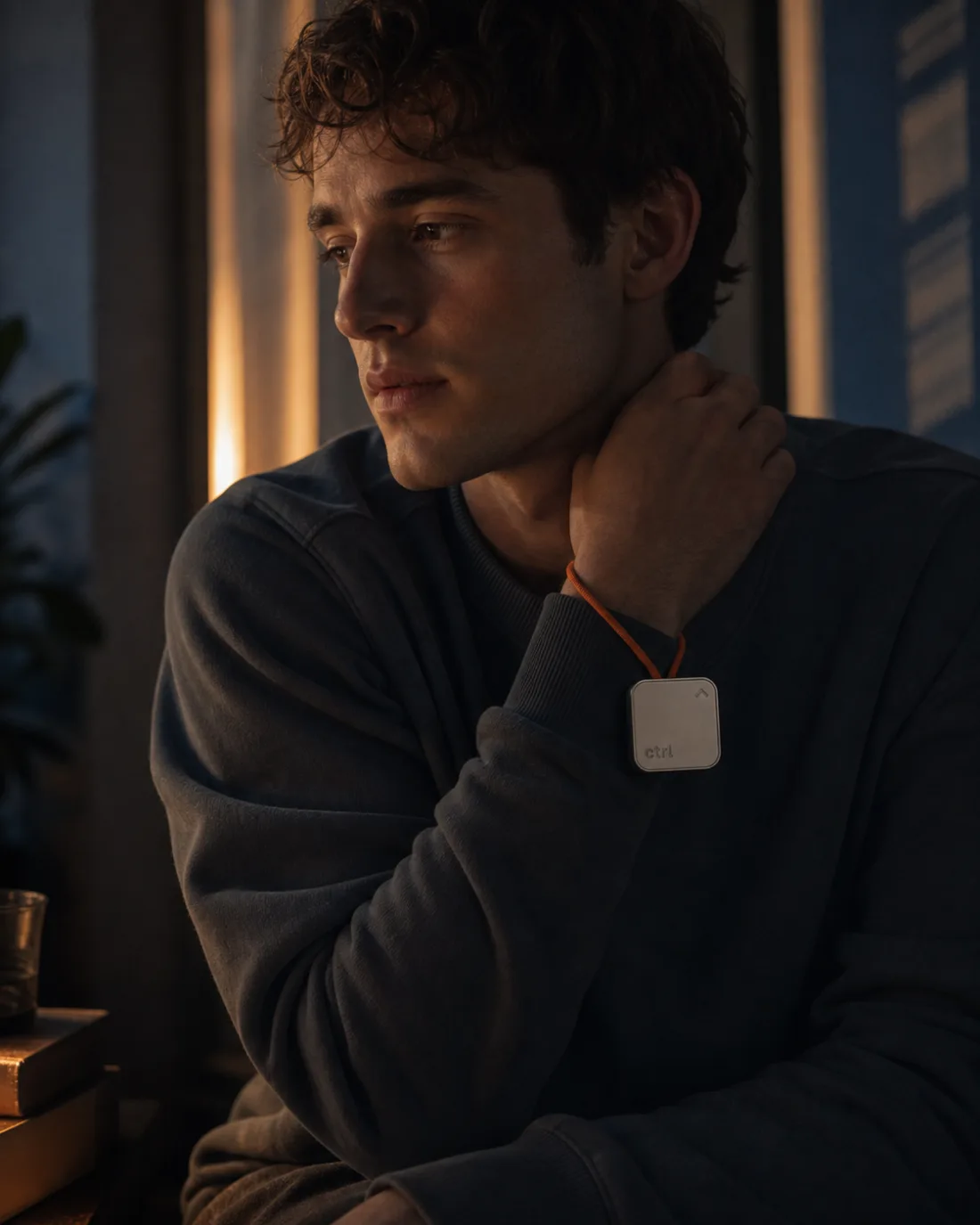
When the loud apps pause, the evening opens up. A book. A conversation. A slow half hour of nothing. Not because you fought for it, but because nothing was pulling at you.
The last thing you see before sleep should be your own ceiling, not someone else’s highlight reel.
What research suggests
of German teens say they are often tired in the morning because they were on their phone at night.1
In a large cohort study, phone use in bed, especially interactive use, was linked with less sleep. Screen time in the two hours before bed showed little association.2 So we do not ask you to give up your evening. We help you keep the phone out of the night.
Meta-analyses find a consistent link between electronic media use and poorer sleep quality.3 A link, not a verdict. Sleep is personal. ctrl simply makes the quiet choice the easy one.
These findings are correlational, not causal. They describe patterns across many people, not a promise for one night.
1 JIM-Studie 2025, Medienpädagogischer Forschungsverbund Südwest (mpfs). Self-reported by teens in Germany. Source↗
2 Cohort study published in JAMA Pediatrics. In-bed phone use, especially interactive use, was linked with shorter sleep, while screen time in the two hours before bed showed little association. Correlational findings.
3 Han et al. 2024, meta-analysis on electronic media use and sleep quality. Correlational findings.
Secure payment · 30 day money back