back to ctrl

Why ctrl

The benefits of ctrl

A key like nothing you have tried.

ctrl is a physical key for your digital life. It was built on one idea. The decision to be present should take one second, not constant willpower.

Designed in Germany by four founders who wanted their evenings back. A key of aluminum and ceramic, a free app, and a philosophy that puts people first. Your phone stays useful. Your attention stays yours.
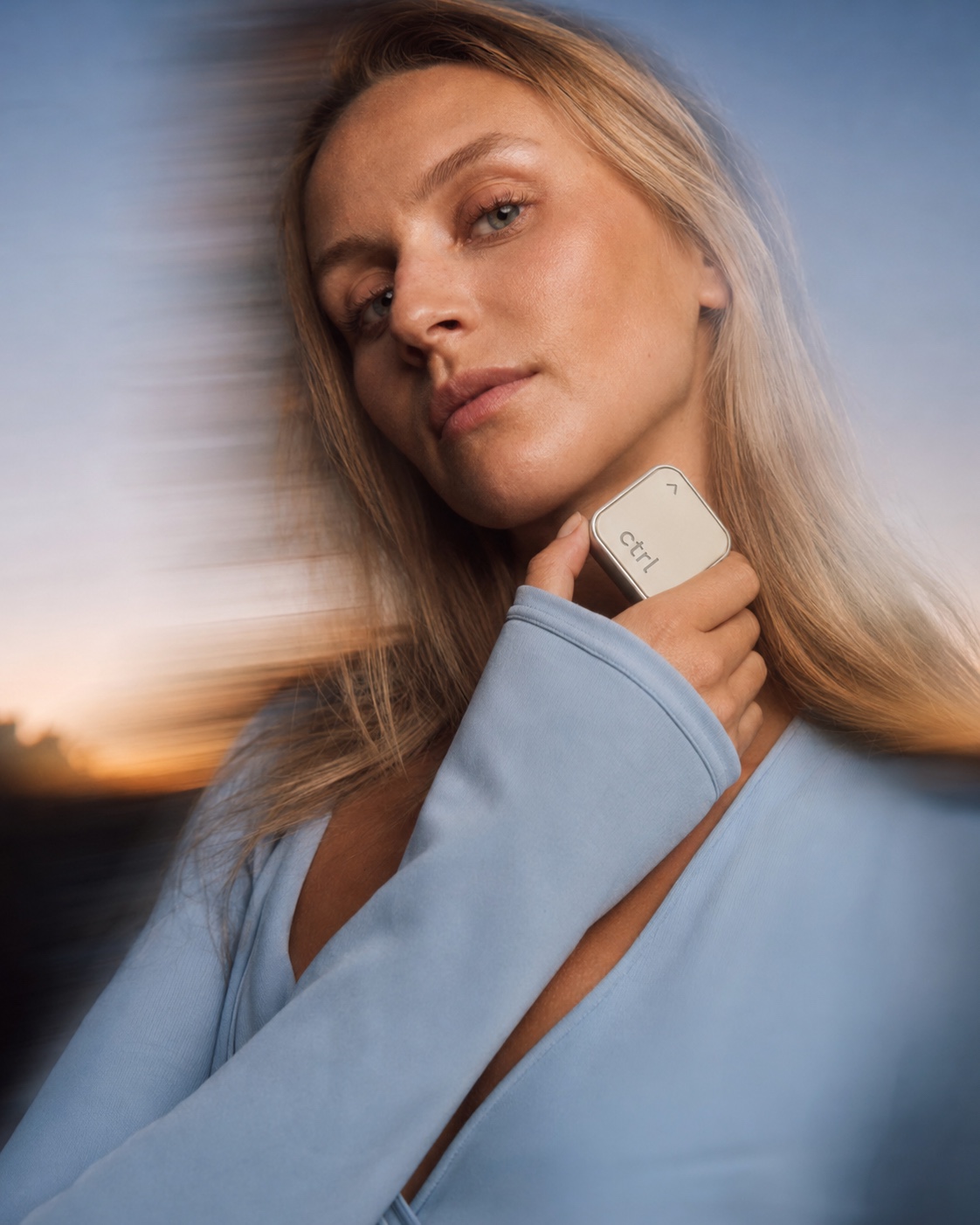
Woman at dusk holding the ctrl key gently against her cheek

90.7 percent improved their wellbeing, mental health or attention when the pull of the phone paused for two weeks1

Our philosophy

The point is your life, not the absence of your phone.

ctrl grew out of a simple belief. A good life with technology is about balance, not extremes. We will not tell you your phone is bad. We built ctrl for the moments you want to give your full self to, and we stay honest about what one small key can and cannot do.

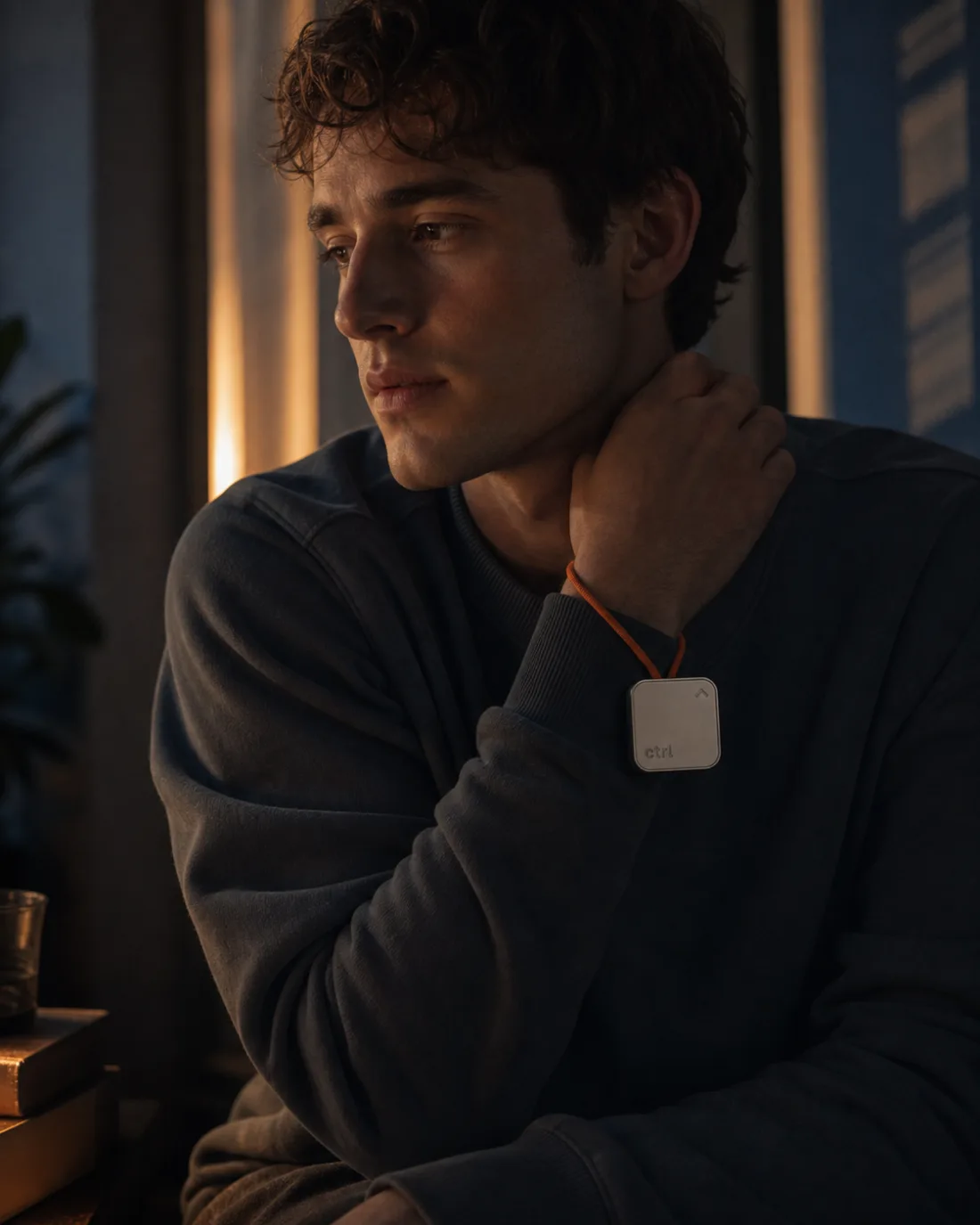
Man standing calmly at a window in the evening with the ctrl key on an orange cord Calm
Evening window5 min ago

Calm

No pickups since 19:20. The loud apps are asleep. Enjoy the evening before tomorrow asks for you.
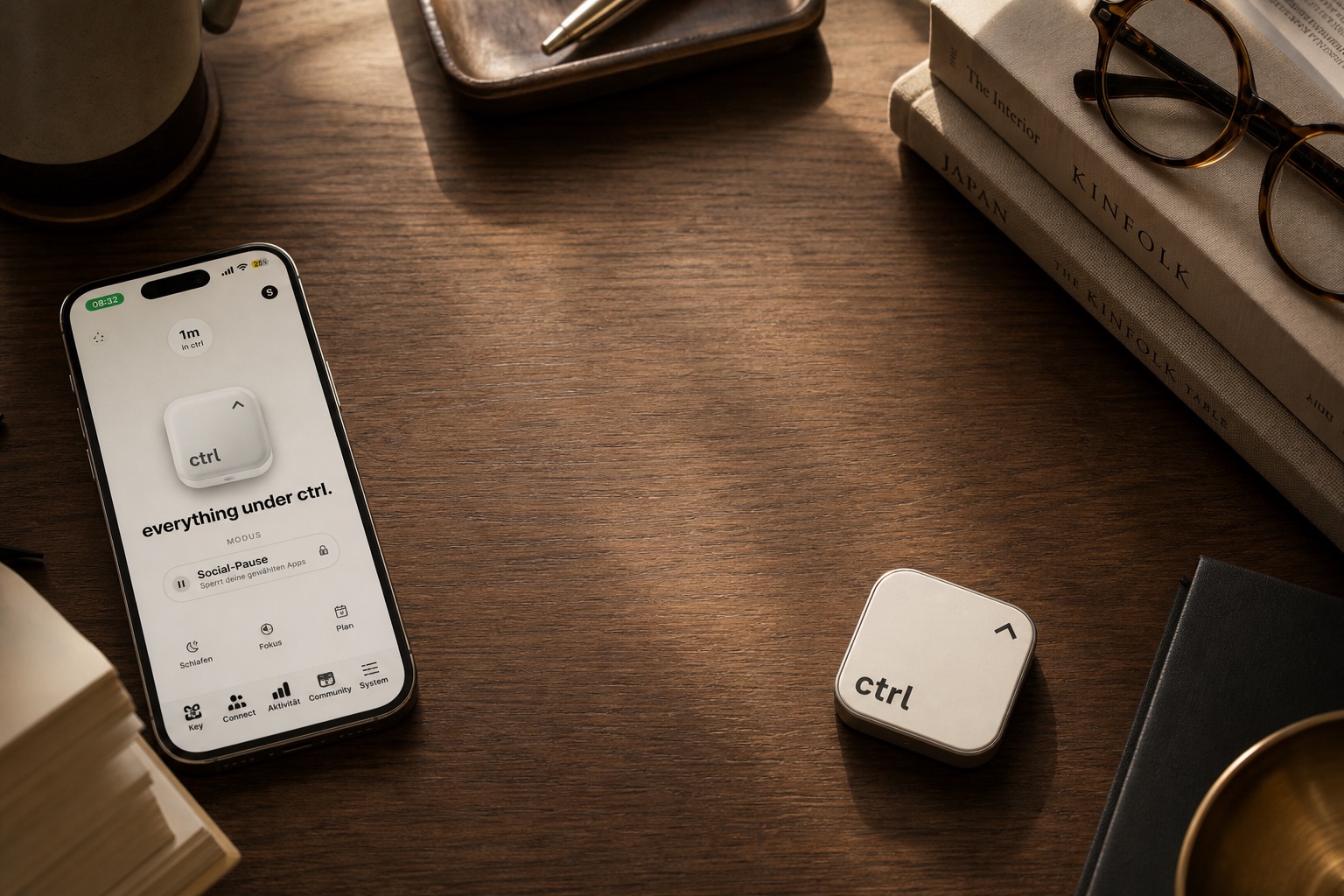
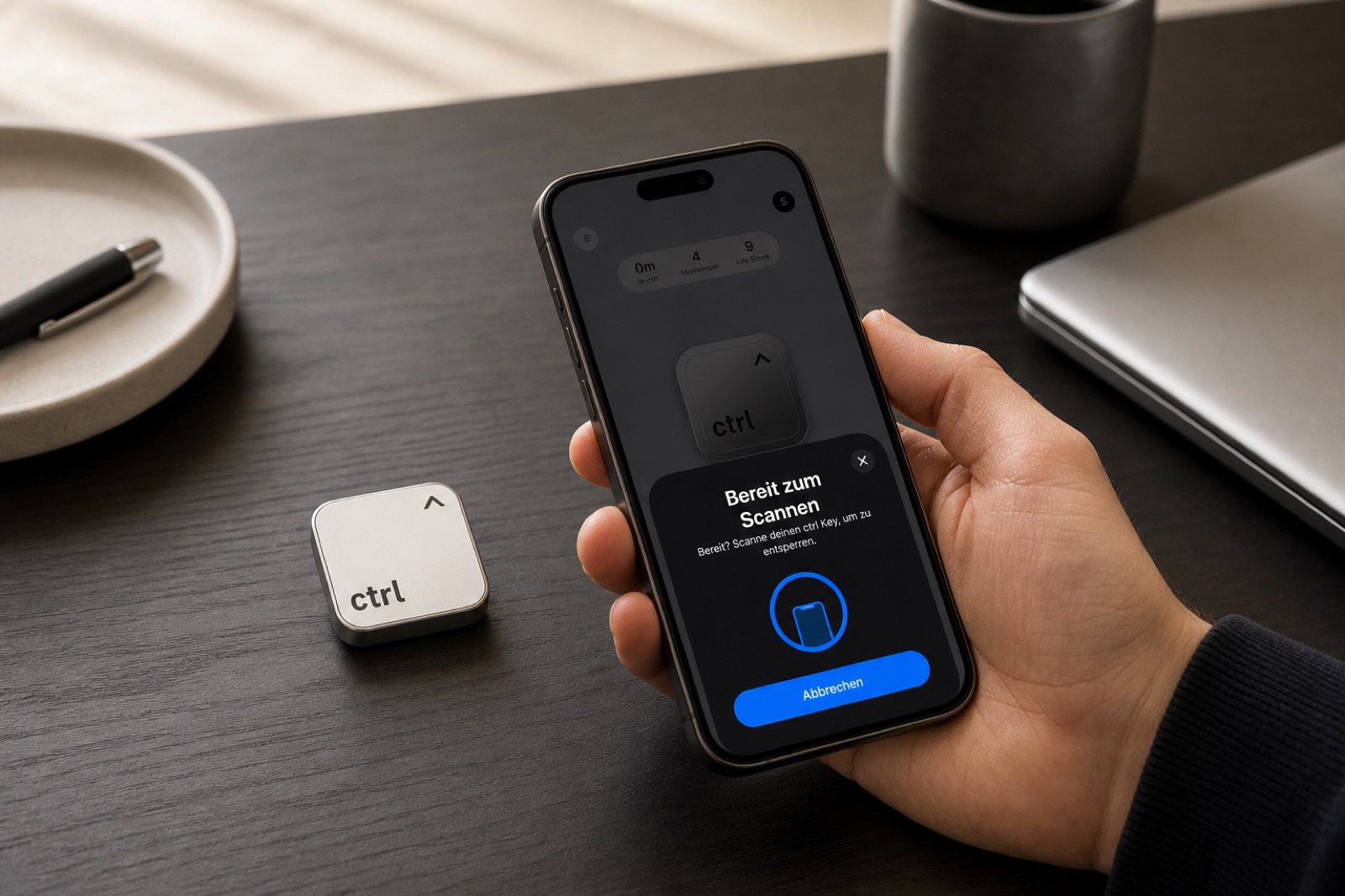
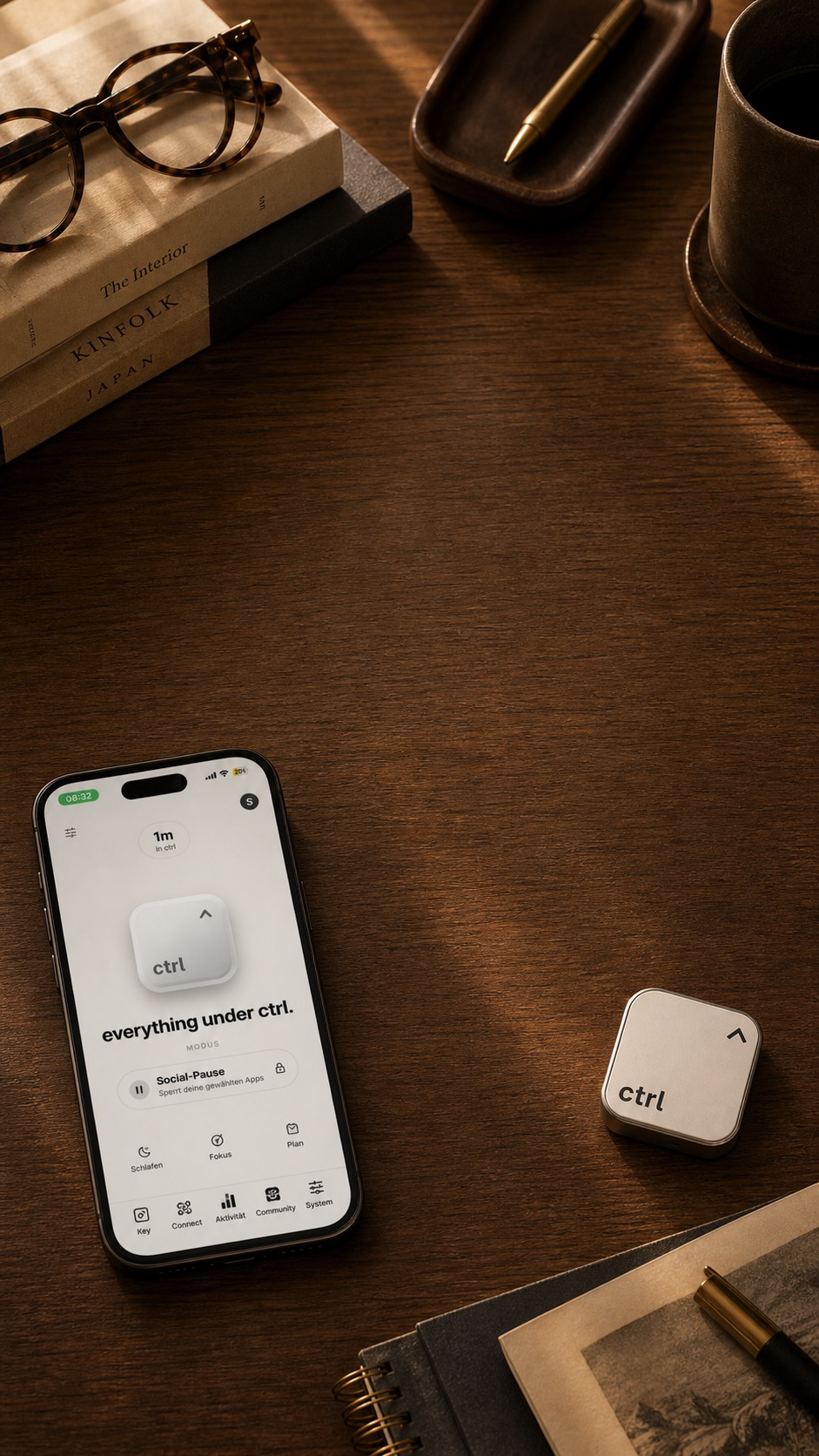
Warm wooden desk with the ctrl app on an iPhone next to the ctrl key and books Focus
Focus modeJust now

Deep work

2h 10m in ctrl today. Two deep work blocks, and the loud apps stayed quiet through both.
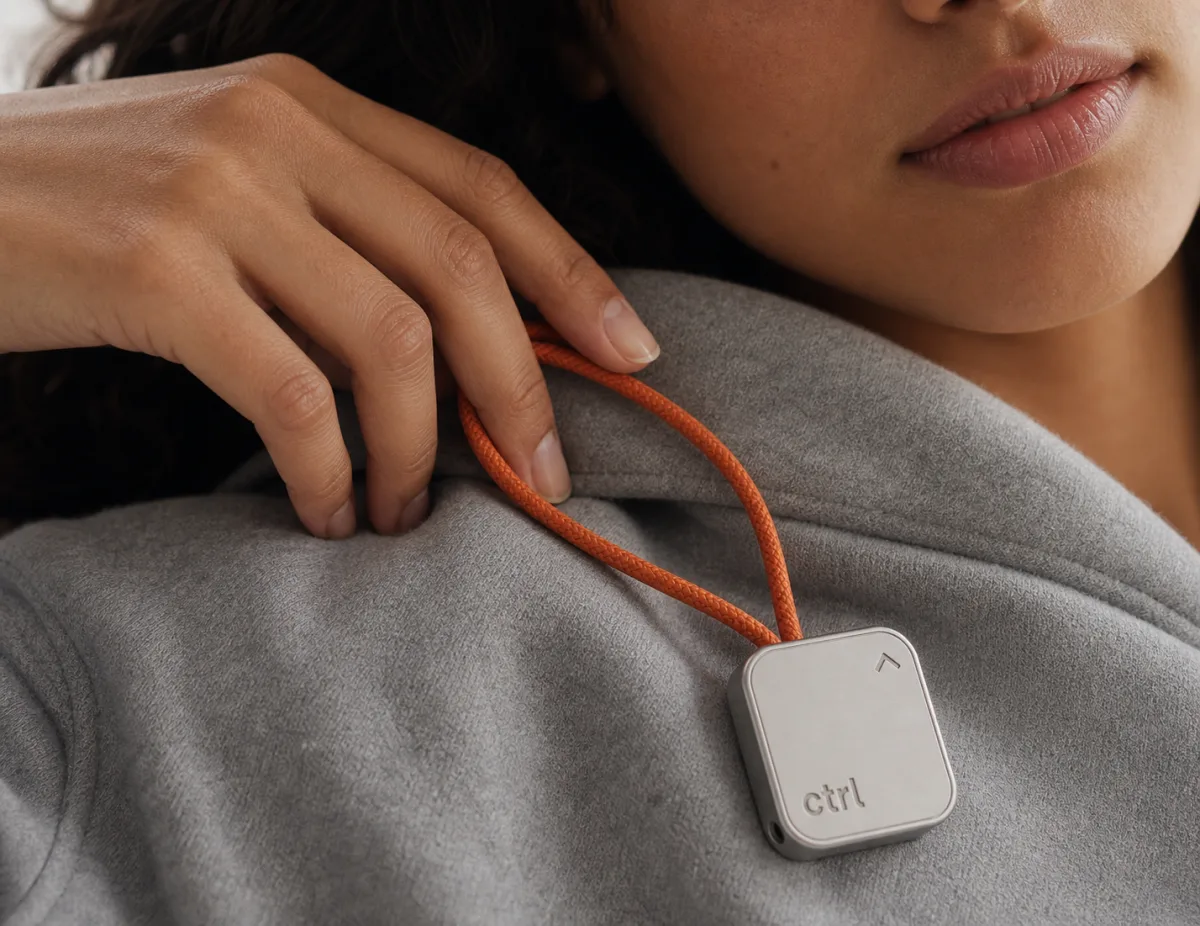
Close up of a woman holding the orange cord of her ctrl key on her shoulder Together
L
Connect12 min ago

Together

3 of 4 in ctrl tonight. Friday dinner is planned. Quiet is easier in company.

Measured, not guessed

We read the research so you do not have to.

58

times a day. That is how often we pick up the phone, measured, not guessed.2

70%

of self-control apps are abandoned within 100 days. A key in the room is not an app.3

~66days

is what a new habit really takes. Not 21.4

What actually changes

Real effects, honestly framed.

No miracle claims. These are measured results from published studies, next to what German data says about the problem itself.

57%

fewer app opens when real friction is added

field experiment, 280 people, six weeks5

90.7%

improved wellbeing, mental health or attention

randomized trial, two weeks without mobile internet1

30%

of German teens are tired in the morning from their phone at night

JIM study 20256

84%

of 18 to 24 year olds say their own use is too high

Deloitte Germany 20247

Your attention is not broken.

A large meta-analysis found no decline in attention performance.8 Your environment got louder. That is fixable.

Material

Design is part of our DNA.

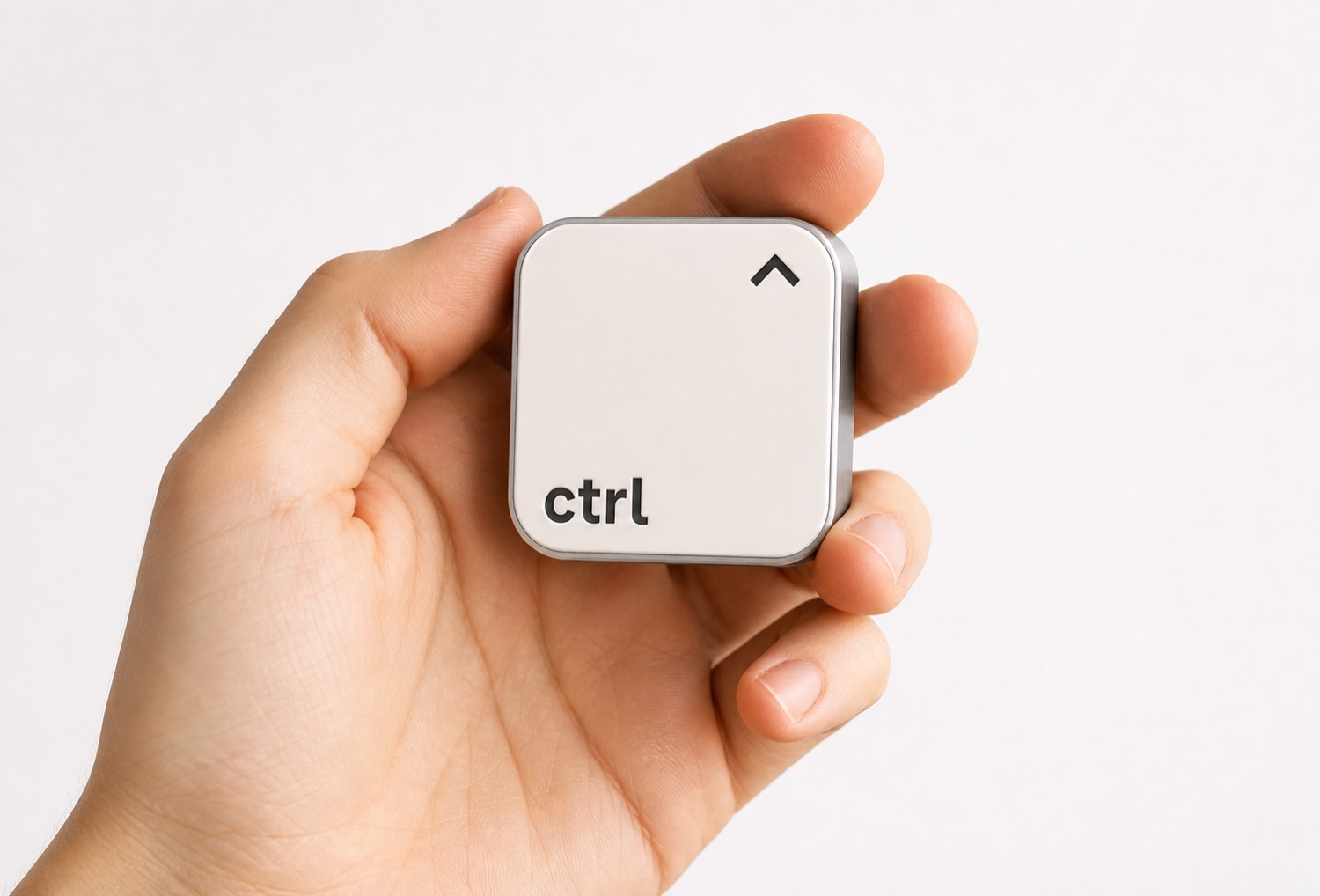
The Key is a solid piece of precision-milled aluminum with a matte white ceramic face. There is no battery and no charging, so there is nothing to keep alive. It is made to outlast the habit it replaces and to still feel right in your hand years from now.
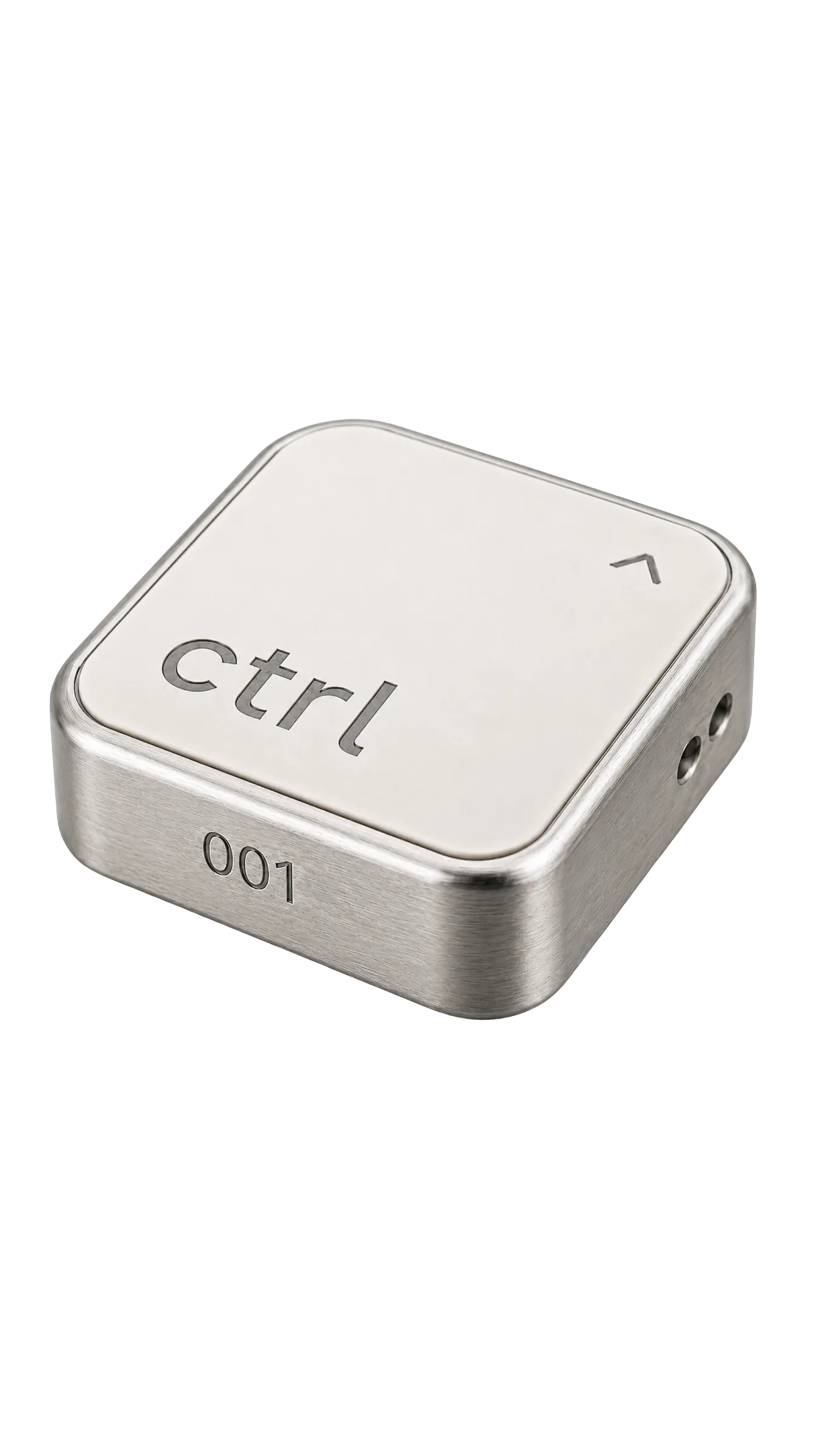
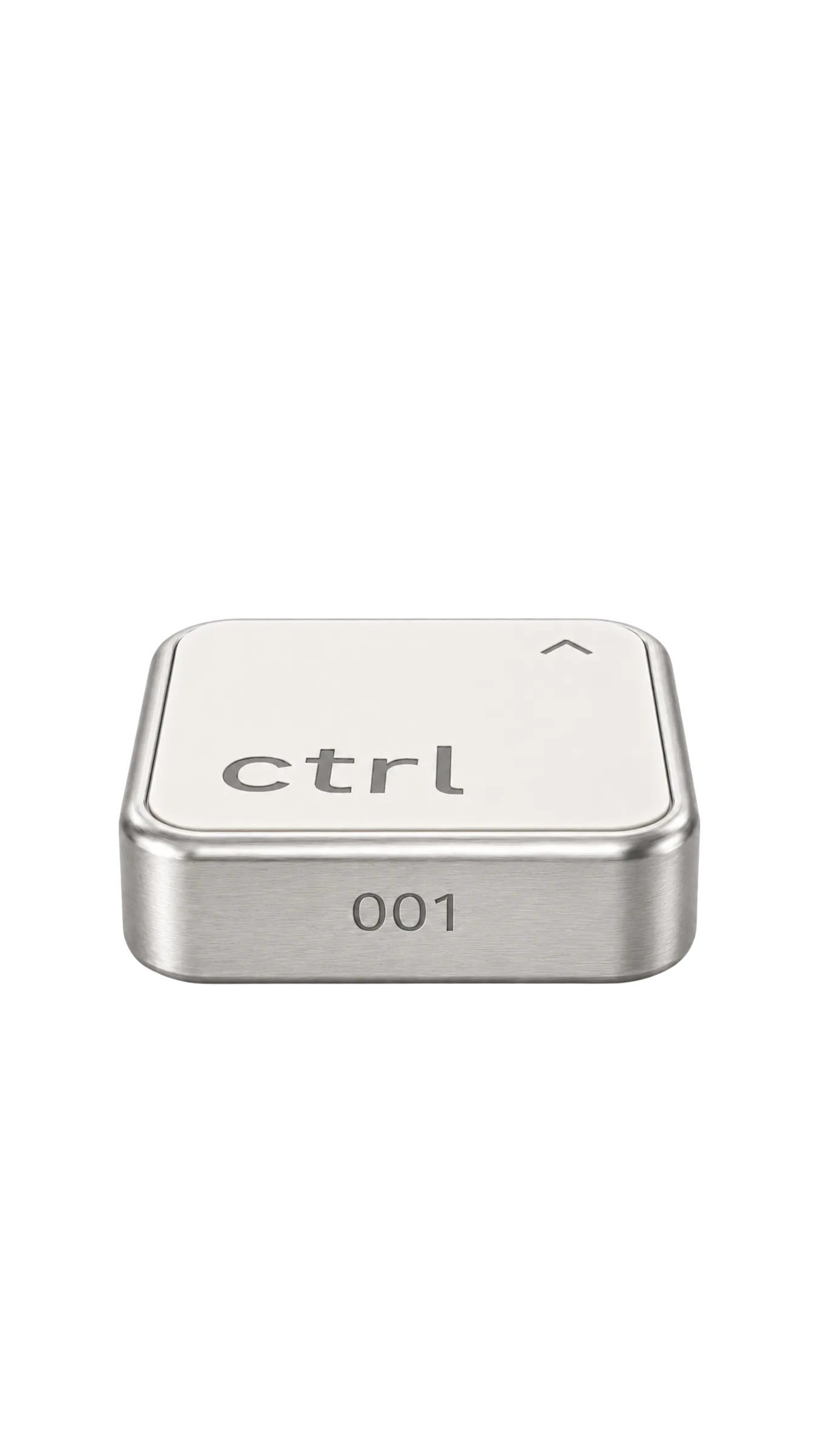
Front view of the ctrl key in precision-milled aluminum with white ceramic face
Precision-milled aluminum body
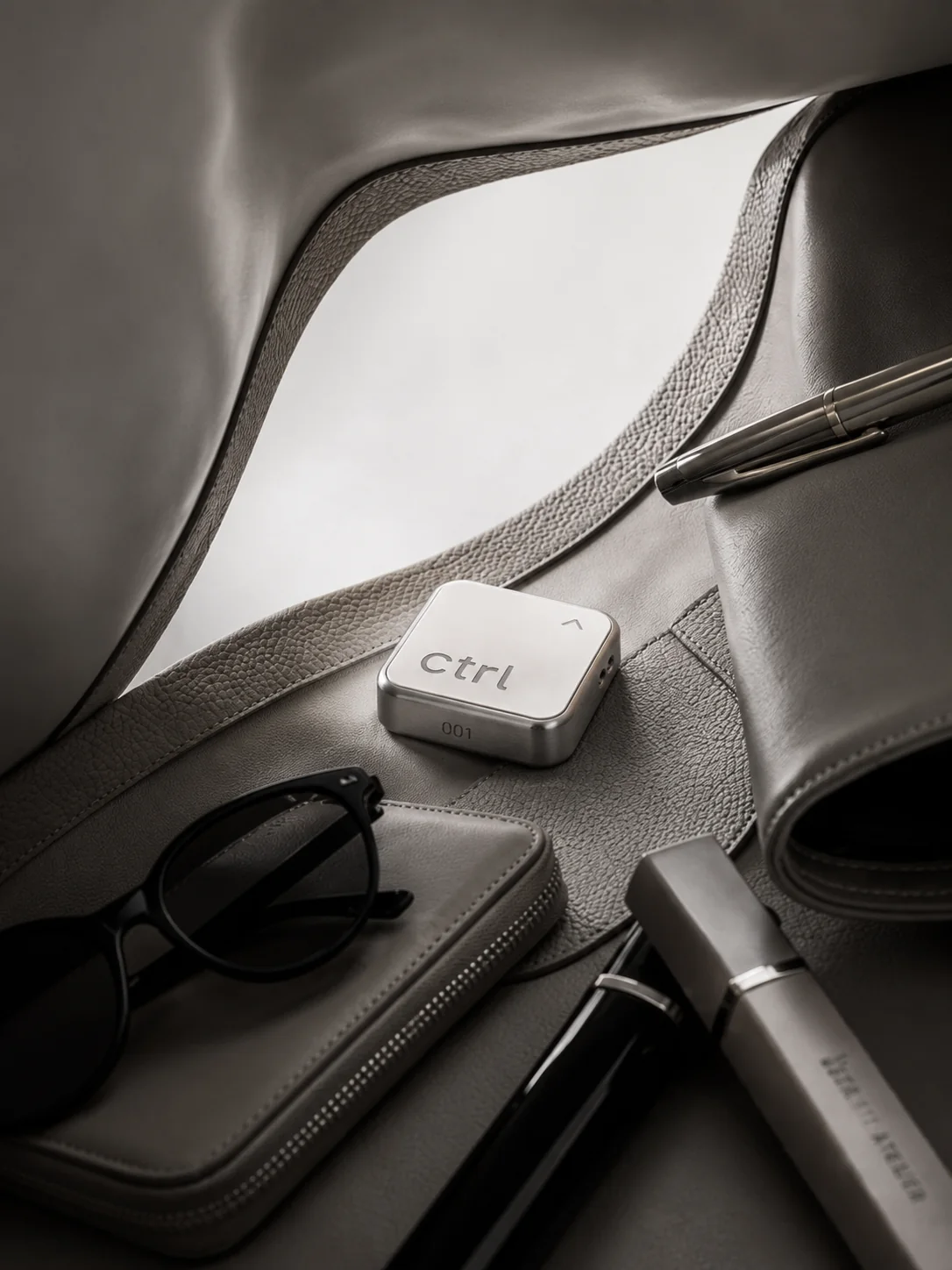
Low angle view of the ctrl key showing the engraved edition number on its side
A numbered edition of 500
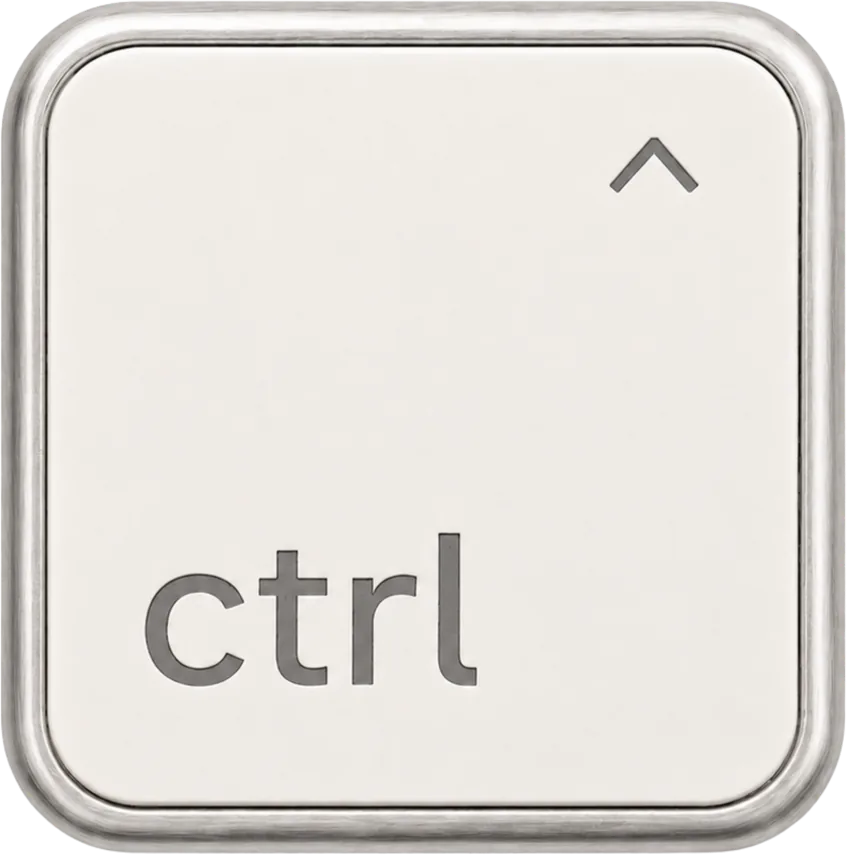
Top view of the white ceramic face with the ctrl lettering and caret
Matte white ceramic face, ctrl cut deep
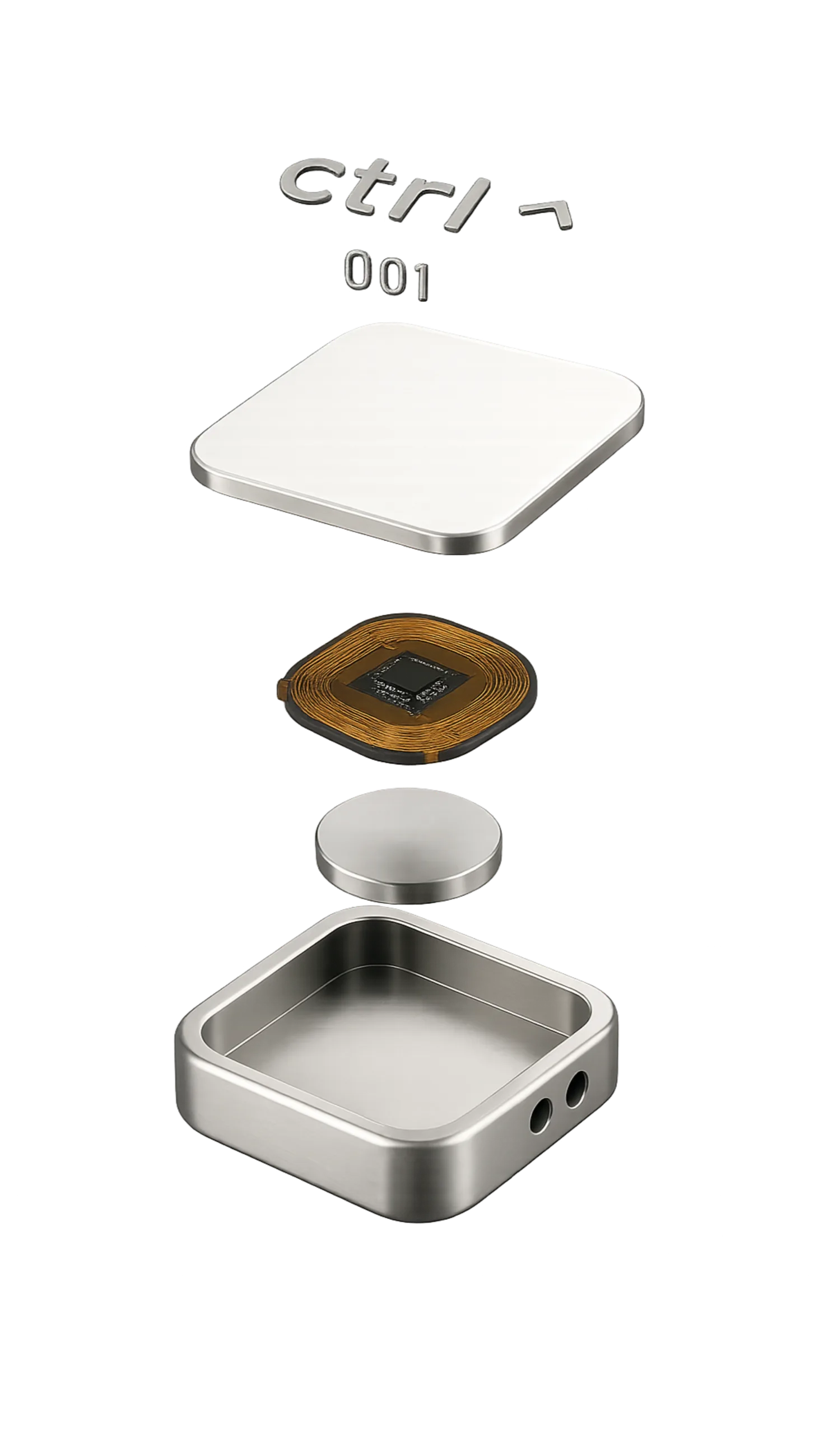
Exploded view of the ctrl key showing ceramic cap, NFC coil, weight plate and aluminum shell
Inside, an NFC coil and aluminum. No battery, ever.

It compounds

The longer you use it, the more it gives back.

ctrl does not nag. The app quietly keeps score of the time you take back, and the picture gets better every week.

Your progressWeek 1
5days in ctrl
14htime won back

Day 5 of about 66 to a formed habit

Illustrative app views, not measurements.

See what it changes

  1. Castelo et al. (2025): Randomized trial published in PNAS Nexus. Two weeks without mobile internet on the smartphone improved subjective wellbeing, mental health and objectively measured sustained attention. 90.7 percent of participants improved in at least one of the three outcomes. Source↗
  2. Tóth et al. (2025): Objective smartphone log data from 625 Android users in Germany. 58 pickups per day on average, and over 90 percent of sessions shorter than 7 minutes. Source↗
  3. JMIR Scoping Review (2024): Across self-control and digital health apps, a median of 70 percent of users abandon them within the first 100 days. Source↗
  4. Lally et al., University College London (2009): How habits are formed in everyday life. New habits took about 66 days on average, with a wide individual range. Supported by Singh et al. (2024). Source↗
  5. Grüning, Riedel and Lorenz-Spreen (2023): Field experiment published in PNAS. Added friction before app openings reduced actual openings by 57 percent over six weeks, n = 280. Source↗
  6. Medienpädagogischer Forschungsverbund Südwest (2025): JIM-Studie. About 30 percent of teenagers in Germany say they are often tired in the morning because they were on their phone late at night. Source↗
  7. Deloitte Deutschland (2024): Smartphone survey Germany. 84 percent of 18 to 24 year olds rate their own smartphone use as too high, and 93 percent of this group report negative side effects.
  8. Andrzejewski et al. (2024): Meta-analysis of the d2 test of attention. 287 samples from 32 countries with about 21,000 people found no decline in attention performance.

Where the research is correlational, we say linked, not caused. We never round numbers in our favor.

Pre-order the Key · from 49 €

Secure payment · 30 day money back

back to ctrl.

Or just stay in the loop for now:

No spam. Just the launch.